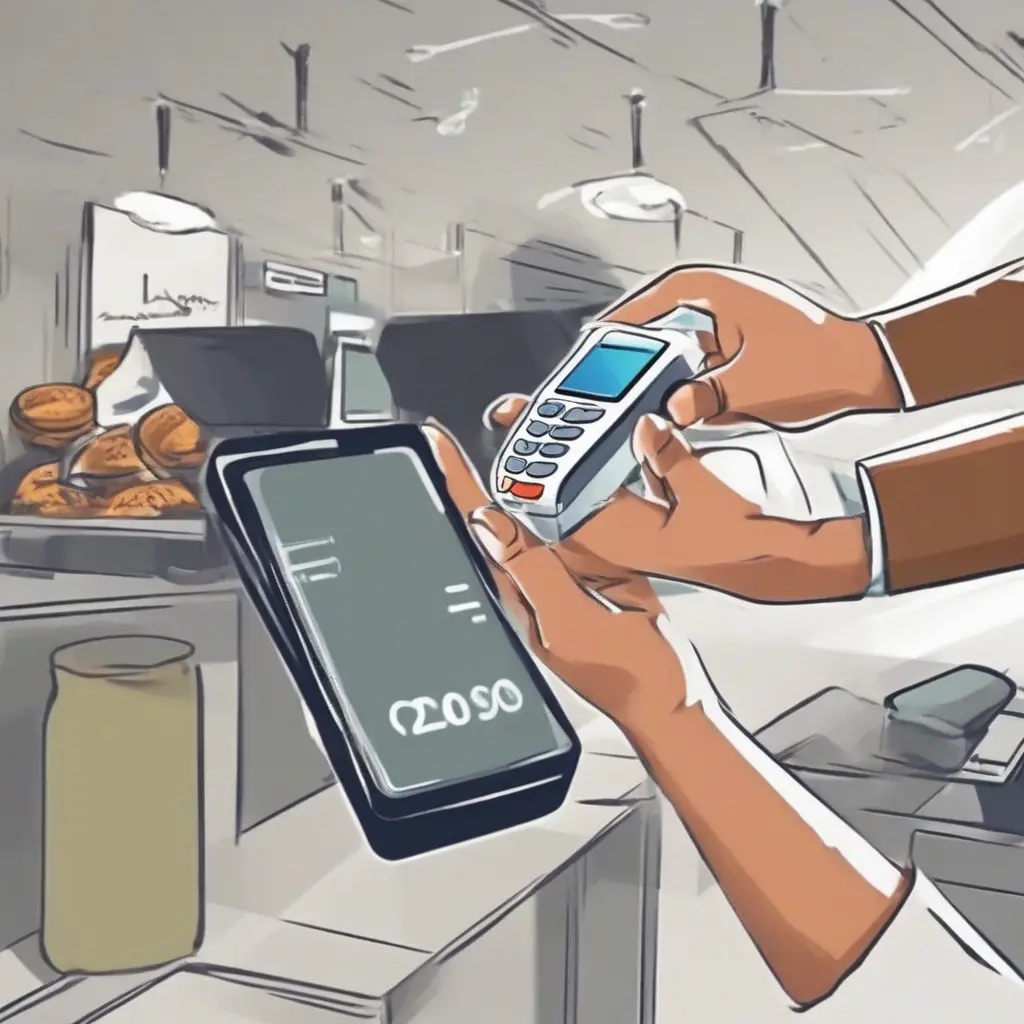
As India continues its technological evolution, contactless payments are emerging as a pivotal component in redefining the banking landscape. Particularly in the wake of the pandemic, consumers have increasingly favored touch-free payment options for their convenience and safety. The Indian government’s push towards a digital economy, combined with the growing smartphone penetration and internet accessibility, has established a fertile ground for this payment method. Understanding the upcoming trends in contactless payments not only helps consumers adapt but also allows businesses to leverage these advancements for enhanced transactional efficiency.
Growth of Mobile Wallets
Mobile wallets have witnessed an exponential rise in India, with users increasingly relying on these platforms for day-to-day transactions. With the convenience of storing multiple cards and accessing funds instantly, mobile wallets are catering to a tech-savvy demographic. Many major players, like Paytm, Google Pay, and PhonePe, have broadened their features to include bill payments, money transfers, and QR code scanning, making transactions seamless. This trend signifies a shift in consumer behavior, where traditional banking methods gradually give way to mobile-first solutions.
Integration of QR Codes
QR codes have become a dominant tool in facilitating contactless payments in India, offering a quick and secure alternative to cash transactions. Businesses of all sizes have adopted QR codes, enabling customers to pay by scanning a code with their smartphones. This technology minimizes human interaction and accelerates the payment process, which is particularly significant in crowded marketplaces. As more merchants embrace this method, the expectation is for widespread adoption to continue, leading to a cashless society where QR codes play a central role in daily commerce.
Rise of Near Field Communication (NFC) Technology
Near Field Communication (NFC) technology is revolutionizing contactless payments by allowing users to make transactions simply by tapping their smartphones or cards at payment terminals. As businesses upgrade their point-of-sale (POS) systems to support NFC, customers will experience faster checkouts and enhanced convenience. This technology not only streamlines the purchasing process but also boosts security, as encrypted information is exchanged during the transaction. With India’s push for digital wallets, NFC technology is poised for significant growth in various retail environments.
Government Initiatives and Regulations
The Indian government has been instrumental in promoting digital payments through various initiatives, such as the Digital India campaign and the introduction of the UPI (Unified Payments Interface). Regulatory support for contactless payment technologies helps ensure their safe and efficient deployment across the country. Moreover, initiatives aimed at increasing digital literacy among consumers play a vital role in driving adoption rates. Government policies that focus on cybersecurity also foster a secure environment for financial transactions in the digital landscape.
Impact of E-commerce Growth
The surge in e-commerce in India has amplified the use of contactless payment methods, as customers increasingly turn to online shopping. With platforms like Amazon, Flipkart, and Snapdeal expanding their reach, consumers find themselves preferring contactless solutions for enhanced convenience. These platforms often incentivize users with discounts for choosing contactless payment options, further driving adoption. As more consumers embrace online shopping, the expectation is that the demand for efficient and secure payment solutions will continue to rise.
Increased Cybersecurity Measures
As the popularity of contactless payments grows, so does the need for enhanced cybersecurity measures to protect consumer data. Financial institutions and payment service providers are amplifying their efforts in implementing advanced encryption technologies and real-time fraud detection systems. Consumers are becoming increasingly aware of cybersecurity issues, prompting businesses to prioritize protecting sensitive information. As security measures evolve to counter potential threats, they will foster a more trustworthy environment for users engaging in contactless transactions.
Consumer Behavior Shifts
Consumer behavior in India is rapidly shifting towards a preference for digital payment solutions, with many individuals seeking the conveniences that contactless methods offer. This trend is underscored by the increasing willingness of users to adopt new technologies, driven by convenience and the desire for quicker transactions. Younger generations, in particular, are leaning towards cashless payments, often opting for mobile wallets and other digital methods over traditional cash. This change in consumer psyche is likely to shape the future of payment systems in the country.
The Role of Fintech Startups
Fintech startups are playing a pivotal role in the advancement of contactless payments in India by introducing innovative solutions and technologies. These companies often leverage cutting-edge technology to enhance user experience, generate convenience, and improve payment processing speed. This competitive landscape encourages established banks and financial institutions to innovate their offerings, ensuring consumers have access to the latest payment solutions. The collaboration between fintech and traditional banking institutions further augments the ecosystem, reflecting a forward-thinking approach to digital finance.
Future Challenges and Opportunities
The future of contactless payments in India presents both challenges and opportunities for various stakeholders. While the growth potential is significant, issues such as digital literacy, infrastructure gaps, and cybersecurity threats still need to be addressed. Overcoming these challenges requires strategic collaboration between the government, financial institutions, and technology providers. On the other hand, as the market expands, opportunities for innovations in payments, customer engagement, and financial accessibility continue to emerge, promising a dynamic future for India’s digital financial ecosystem.
Conclusion
In summary, the future of contactless payments in India is marked by exciting trends that promise to reshape the financial landscape. From the proliferation of mobile wallets and QR codes to enhanced security measures and regulatory support, the evolution of this payment method will play an integral role in driving digital finance forward. Aligning with these trends will not only benefit consumers seeking convenience but also facilitate businesses in streamlining their operations, ultimately contributing to a more efficient economic environment.