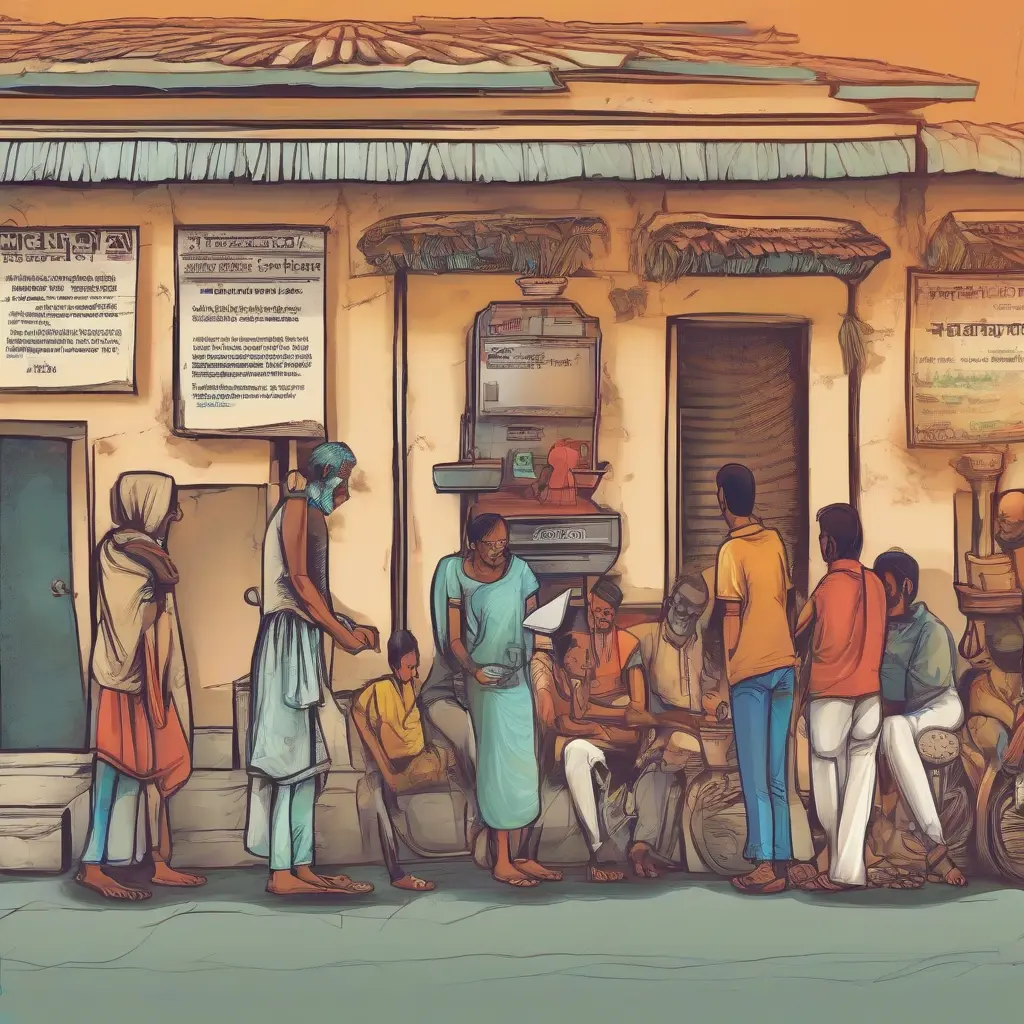
Neobanks have emerged as a revolutionary force in the Indian banking landscape, primarily focusing on enhancing financial inclusion for underserved populations. By leveraging technology, these digital-only banks provide efficient and accessible financial services to individuals and small businesses that may have been excluded from traditional banking systems. This article delves into the mechanisms through which neobanks contribute to financial inclusion in India, the challenges they address, and the potential benefits they bring to the Indian economy.
Understanding Neobanks
Neobanks are digital banks that operate exclusively online, lacking any physical branches. They offer a wide range of banking services, including savings accounts, payment solutions, and financial advice, usually with lower fees than traditional banks. As they rely heavily on technology and data analytics, neobanks can cater to consumers with customizable offerings and streamlined user experiences. This digital-first model allows them to reach a broader customer base, including those from rural areas and younger, tech-savvy consumers who prefer banking through smartphones.
Financial Inclusion and Its Importance
Financial inclusion refers to the accessibility of financial services to individuals and businesses, regardless of their socioeconomic status. In India, a significant portion of the population remains unbanked or underbanked, which limits their access to credit, savings accounts, and other financial instruments. Enhancing financial inclusion is crucial for poverty alleviation, promoting economic growth, and facilitating participation in the formal economy. Neobanks play a pivotal role in bridging this gap by providing easier access to essential financial services for marginalized communities.
Addressing Barriers to Banking
Neobanks address several significant barriers that prevent people from accessing traditional banking services. Long wait times, complex documentation, and high fees often deter individuals from opening bank accounts. Neobanks simplify this process by offering instant account setup via mobile apps and minimal documentation requirements. This approach is particularly beneficial for the rural population, who may lack the necessary paperwork to meet traditional banking requirements. By eliminating these barriers, neobanks empower individuals to contribute to the economy.
Digital Payment Solutions
Digital payments have gained immense traction in India, thanks in part to the rise of neobanks. These institutions provide seamless payment solutions that allow users to send and receive money instantly, conduct online shopping, and make bill payments efficiently. By integrating features like QR code scanning and UPI (Unified Payments Interface), neobanks enhance transaction convenience and security. With increased digital literacy and smartphone penetration, the adoption of these payment solutions continues to grow, further expanding financial inclusion efforts across the country.
Empowering Small Businesses
Small businesses form the backbone of the Indian economy, yet they often struggle to obtain financing from traditional banks. Neobanks offer tailored solutions such as microloans, facilitating access to quick and flexible funding for small enterprises. By utilizing alternative data to assess creditworthiness, neobanks can extend loans to those with limited credit histories. This empowerment allows small businesses to thrive, create jobs, and contribute to local economies, ultimately fostering economic growth in underserved areas.
Data-Driven Financial Literacy
Neobanks utilize data analytics to create personalized financial products and enhance the user experience, but they also play a crucial role in promoting financial literacy. By providing consumers with insights into their spending habits and offering budgeting tools, neobanks help users make informed financial decisions. Educational resources available through their platforms further empower individuals to better understand savings, investments, and responsible spending. This increased financial literacy is essential for fostering a financially savvy population, contributing to greater economic stability.
Regulatory and Security Challenges
While neobanks offer significant advantages, they also face regulatory challenges that can hinder their operations. The Reserve Bank of India (RBI) has stringent guidelines governing financial institutions to protect consumer interests. Neobanks must navigate compliance with these regulations while maintaining user trust, especially concerning data security and privacy. Ensuring robust security measures against fraud and cyber threats is vital for protecting users’ financial information, which can significantly impact consumer confidence in these digital banking platforms.
The Future of Neobanking in India
The future of neobanking in India appears promising as technological advancements continue to shape the financial landscape. With increasing smartphone adoption and internet connectivity, the potential customer base for neobanks is growing rapidly. Fintech collaborations can further enhance the services offered by neobanks, from investment solutions to insurance products, making financial services more comprehensive and accessible. As competition intensifies, neobanks will likely innovate and improve their offerings, striving for a more significant role in fostering financial inclusion in India.
Conclusion
Neobanks play a transformative role in enhancing financial inclusion in India by providing accessible, user-friendly banking solutions tailored to the needs of underserved populations. By addressing barriers commonly associated with traditional banking and utilizing technology effectively, these digital banks empower individuals and small businesses. As they continue to grow and innovate, the potential for neobanks to further contribute to financial inclusion and economic development remains substantial, promising a more inclusive financial future for all.